Wordle Uncovered: From Origin Story to Daily Strategy
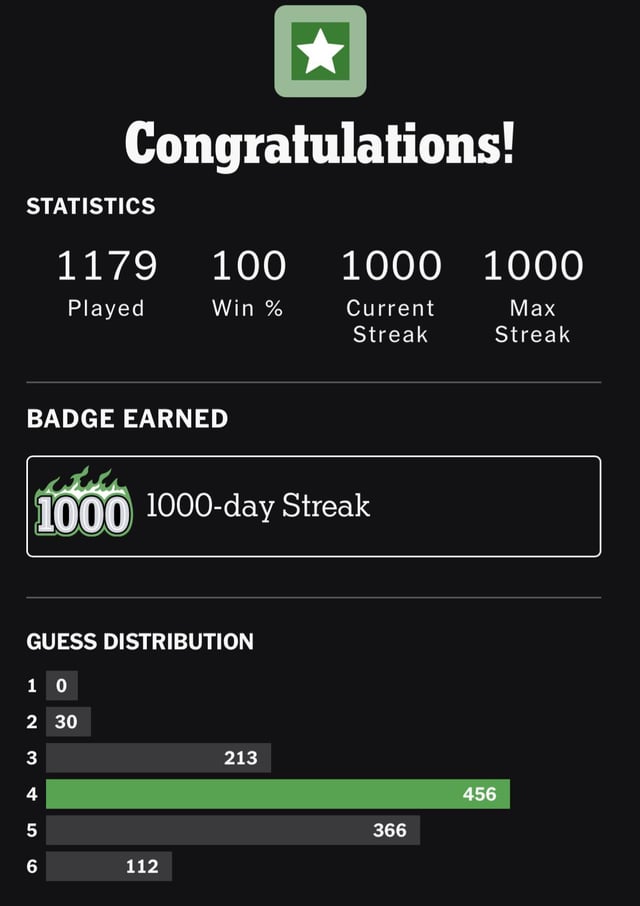
In a world saturated with digital distractions, one deceptively simple word puzzle managed to capture the global imagination: Wordle. What began as a personal project quickly blossomed into a cultural phenomenon, inspiring countless conversations, livestreams, and even spin-off games. Every day, millions eagerly await the fresh challenge, often searching for hints or even the wordle answer today to keep their streak alive. But how did this daily brain-teaser come to be, and what strategies can elevate your game?
The Accidental Origin: A Gift That Went Viral
The story of Wordle is as heartwarming as it is extraordinary. Unlike many meticulously planned viral apps, Wordle was born out of love and a simple desire to entertain. Josh Wardle, a software engineer, created the game as a personal gift for his partner, Palak Shah, who enjoyed word puzzles. The initial design was elegant in its simplicity: guess a five-letter word in six tries, receiving feedback on correct letters and positions after each attempt.
Wordle's appeal quickly extended beyond its initial audience. Wardle shared it with his family, and its organic spread soon led to a massive public release in October 2021. Its popularity exploded, largely due to its ingenious share feature – those grid emojis that became ubiquitous across social media feeds. This daily, low-commitment challenge became a cherished routine for many, fostering a sense of shared experience and friendly competition.
The game's success attracted significant attention, culminating in its acquisition by The New York Times in early 2022. This move solidified Wordle's place in the lexicon of popular daily puzzles, introducing it to an even broader audience. The acquisition also led to some changes, including the eventual removal of the extensive Wordle archive, a move reportedly made at the NYT's request, much to the dismay of players who enjoyed revisiting past puzzles.
Beyond the original, Wordle's innovative format inspired a flurry of fan-made variations, each adding a unique twist. These include the battle royale-style Squabble, the musical guessing game Heardle, and the multi-word challenges of Dordle and Quordle, where players must solve multiple grids simultaneously. This ecosystem of spin-offs is a testament to the core game's brilliant design and enduring appeal.
Decoding the Daily Puzzle: How Wordle Works
At its heart, Wordle is straightforward: players must correctly guess a five-letter word within six attempts. After each guess, the game provides visual feedback using a color-coded system:
- Green: The letter is correct and in the right position.
- Yellow: The letter is correct but in the wrong position.
- Grey: The letter is not part of the word at all.
This feedback mechanism is crucial, as it allows players to systematically narrow down possibilities. The goal isn't just to guess letters, but to use each attempt to gain the maximum amount of information possible, guiding subsequent guesses toward the correct wordle answer today.
A common misconception among newer players is that Wordle has become harder over time. While the difficulty can sometimes feel subjective, the reality is that the core difficulty level has remained consistent since its inception. For those seeking an extra challenge, Wordle offers a "Hard Mode," which enforces stricter rules, such as requiring all revealed green and yellow letters to be used in subsequent guesses.
Mastering Wordle: Strategies for Success
While some players prefer a purely intuitive approach, many adopt strategic methods to consistently solve the daily puzzle. Developing a solid strategy can significantly improve your chances of finding the wordle answer today within the allotted six guesses. Master Wordle: Top Strategies & Best Starting Words provides an in-depth look, but here are some key principles:
Choosing Your Starting Word Wisely
Your first guess is arguably the most critical. It sets the foundation for your entire game. While some prefer to stick with a personal favorite, a strategic starting word can unlock a wealth of information. The best starting words typically include:
- Multiple Vowels: Aim for words with two or even three common vowels (A, E, I, O, U) to quickly determine which are present in the target word.
- Common Consonants: Incorporate high-frequency consonants like S, T, R, N, and L. These letters appear in a vast number of English words, making them excellent candidates for early elimination or placement.
Examples of popular strategic starting words include "ADIEU," "CRANE," "SLATE," or "TRACE." The idea is to cover as many common letters as possible without repeating any, maximizing the data gained from your first attempt.
Leveraging Feedback and Eliminating Possibilities
After your first guess, the colored tiles provide invaluable clues. It's essential to analyze this feedback methodically:
- Green Letters: These are locked in. You know their position and presence.
- Yellow Letters: You know these letters are in the word, but not in their current position. Crucially, don't repeat them in the same spot in your next guess. Think about other possible positions.
- Grey Letters: These are out. Do not use them again in any subsequent guess. This is where many players make mistakes, accidentally re-using a grey letter.
Subsequent guesses should aim to either place yellow letters correctly or introduce new, un-guessed common letters to identify more of the puzzle. If you have several yellow letters, try to form a word that rearranges them into new positions while introducing one or two new consonants to gather more information.
Considering Word Structure and Letter Patterns
As you progress, pay attention to the potential structure of the word. Does it likely have double letters? (Though today's puzzle, March 6, for instance, had no recurring letters with "GUNKY," and March 7's "VOGUE" also lacked them, it's a common Wordle feature). Are there common prefixes or suffixes you can test? Thinking about common English word patterns can often help you bridge the gap when you have only a few letters revealed.
Seeking the Daily Wordle Answer Today
For many, the daily Wordle puzzle is a delightful mental exercise. However, there are days when the solution proves elusive, or perhaps time is short, and you just want to know the wordle answer today. It's perfectly fine to seek assistance, whether in the form of subtle hints or the direct solution.
Numerous resources pop up daily to help players. For a recent puzzle, for example, hints might include details like:
- The word is a five-letter verb.
- It contains three vowels and two consonants.
- It starts with the letter "V."
- Its meaning is "the prevailing fashion or style at a particular time."
These types of clues often guide players to the correct solution without outright revealing it, preserving some of the challenge. Of course, for those who simply want to confirm or reveal the answer, dedicated guides also provide the final word. For instance, you can often find specific daily solutions and hints by checking sources like Wordle Today: Hints, Clues & Answer for March 7, which breaks down the puzzle of the day.
Conclusion
From its humble beginnings as a heartfelt gift to its current status as a global phenomenon, Wordle has cemented its place in the daily routines of millions. Whether you're a strategic player meticulously planning each guess, a casual enthusiast enjoying the mental break, or someone occasionally seeking the wordle answer today to keep your streak alive, the game's simple elegance continues to captivate. Its enduring appeal lies not just in its clever mechanics, but in the shared experience it fosters, reminding us that sometimes, the simplest puzzles bring the greatest joy.